

Sleep is not a switch you flick; it is a slope you walk down. Long before your head touches the pillow, your body is already reading cues about whether the day is over. Light, temperature, movement and the small rituals you repeat each evening all feed into your circadian rhythm and your nervous system, telling it either to stay alert or to stand down.
The problem for most of us is that we go from full-speed to horizontal in about four minutes. We finish a work email, scroll through a screen, brush our teeth and expect to be unconscious by the time our head lands. When the brain has had no runway, it does what any sensible brain would do — it stays half-awake, reviewing the day, while you lie there wondering what you have done wrong.
A calming bedtime routine is simply a repeated set of signals, performed in the same order, that gives your body permission to let go. It does not need to be elaborate. Thirty to forty-five minutes is plenty, and the consistency matters far more than the content. Here is how to build one that actually suits a real, busy life.
Light is the single strongest signal your body uses to decide what time it is. Bright overhead lighting in the evening tells your brain that the day is still going, delaying the release of melatonin — the hormone that helps you feel sleepy.
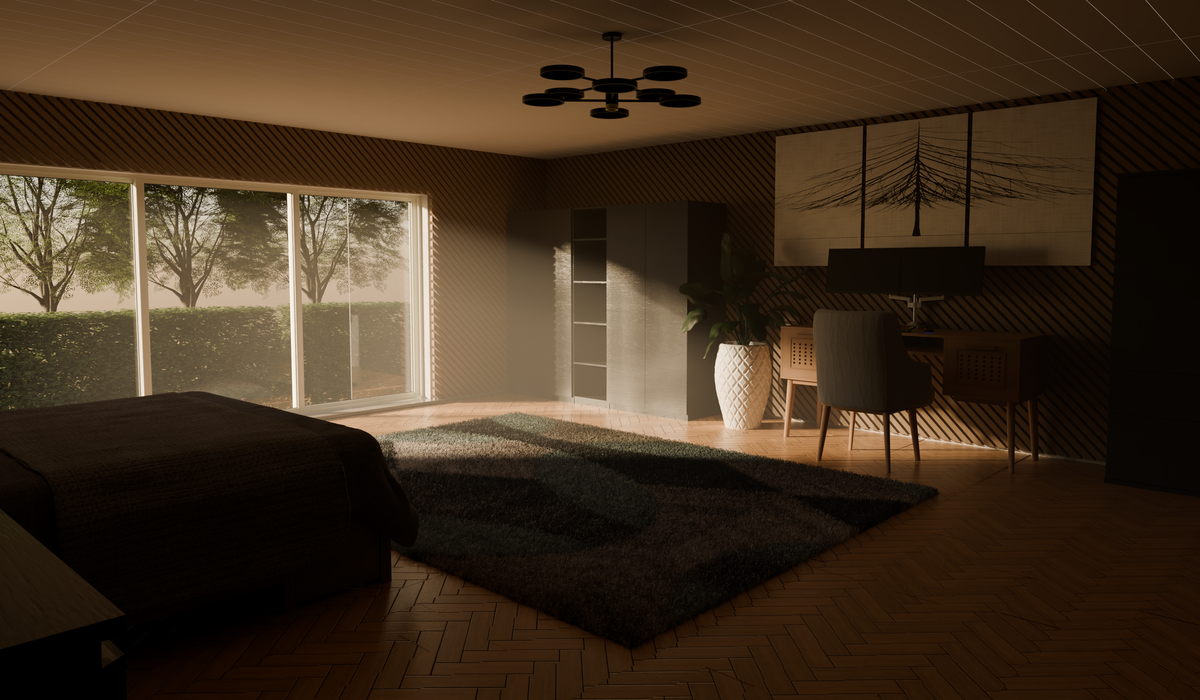
Ninety minutes before bed, switch off the main ceiling lights and use lamps instead. Warm, low-level bulbs (look for ones around 2700K or lower) are far kinder than cool white. If you read on a device, turn the brightness right down and use a warm night setting, or better still, read a paper book or magazine under a lamp.
Notice how quickly the room feels different. Dim light slows the pace of everything you do in it.
Gentle movement releases tension that has collected in your neck, shoulders and hips, and it gives your mind something physical to focus on rather than tomorrow's to-do list. This is not a workout. Anything that raises your heart rate significantly should finish at least two hours before bed.
Five to ten minutes on the floor, in soft light, is ideal. Try a slow cat-cow, a seated forward fold, gentle neck rolls and a few shoulder circles. Lying with your legs up the wall for three or four minutes is a wonderfully simple way to settle a restless body. Finish with a slow child's pose, breathing out for longer than you breathe in — a count of four in and six out works well.
If you enjoy a warm bath, take it sixty to ninety minutes before bed rather than immediately before. The subsequent drop in core body temperature is a genuine sleep trigger, but it needs a little time to happen.
A warm drink is a lovely ritual, and it earns its place because it combines warmth, comfort and repetition. The trick is in the details.
Have it forty-five to sixty minutes before bed, in a small cup, so you are not woken later needing the loo. Keep it caffeine-free: chamomile, lemon balm, peppermint, a malted milk drink or plain warm milk with a little honey all work nicely. Avoid alcohol as a sleep aid — it may help you drop off, but it fragments sleep in the second half of the night. And be honest about caffeine: if you are sensitive, set a firm cut-off of early afternoon.
Prepare your bedroom before you are tired, so that the tired version of you has nothing to organise. Aim for a cool room — somewhere around 16 to 19°C suits most people — with layers of bedding you can adjust overnight.
Darkness matters, so use blackout curtains or an eye mask if street light creeps in. If noise is an issue, a fan or a steady white noise track can mask it. Keep your phone charging outside the bedroom if you possibly can, and turn your alarm clock away from the bed so you are not tempted to check the time during the night.
A few drops of lavender on a pillow, a tidy bedside table and a book you are enjoying all help the room say one thing: this is where we rest.
Consistency is what turns a routine into a reflex. Try to get up at roughly the same time every day, even after a poor night, because a steady wake time anchors everything else. Run your wind-down ritual in the same order each evening, so that each step becomes a cue for the next.
If life gets in the way — a late shift, a teething toddler, a wedding — use a five-minute version. Dim the lights, stretch once, sip something warm. The point is not perfection; it is maintaining the association between the ritual and rest.
Keep a notebook by the bed for worries and tomorrow's tasks, so your mind has somewhere to put them. And if you are still wide awake after twenty minutes, get up, sit somewhere dim and dull, and return when you feel sleepy. Beds are for sleeping, not for lying awake and worrying about lying awake. Be patient with yourself: most people notice a real difference within a fortnight, and the improvement tends to arrive quietly rather than all at once.

Lunarnook No rushing, no fuss — just thoughtful notes and practical help, written by people who care.

Lunarnook Written for people who value the details, and want honest guidance they can trust.

Learn how light, deep, and REM stages affect your energy, mood, memory, and overall health throughout the following day.

Comments
ALina Kelian
19th May 2018 ReplyLunarnook An honest, everyday look at the things that make life a little better — with advice you can actually use. ullamco laboris nisi ut aliquip ex ea commodo consequat.
Rlex Kelian
19th May 2018 ReplyLunarnook Written for people who value the details, and want honest guidance they can trust. ullamco laboris nisi ut aliquip commodo.
Roboto Alex
21th May 2018 ReplyLunarnook Written for people who value the details, and want honest guidance they can trust. ullamco laboris nisi ut aliquip ex ea commodo consequat.