

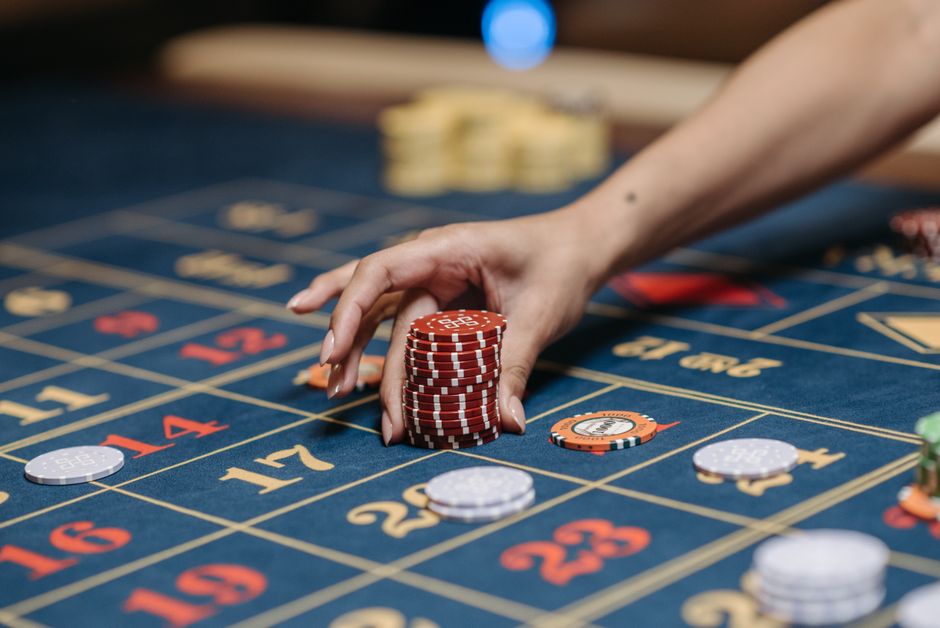
Ask ten slot players why they lost last weekend and you'll get ten different answers. The machine was cold. The bonus never triggered. The casino rigged the RNG. Ask a veteran who actually grinds out a profit over a year, and you'll get a much shorter answer: they stopped treating the reels like a lottery and started treating them like a math problem with entertainment attached.
That's the gap nobody advertises. Below is what sits on the other side of it, pulled from actual play patterns rather than marketing brochures.
Every slot has a Return to Player percentage — usually somewhere between 92% and 97%. New players obsess over RTP and ignore volatility, which is backwards if you care about surviving a session. Two machines can both pay 96% and behave like completely different animals.
Low volatility slots hit frequently but pay small. You can spin for an hour on a modest bankroll and never feel like you're bleeding out. High volatility slots — think the Megaways titles with 50,000x max wins — can eat 300 spins before coughing up anything, then hand you 80x your stake in a single bonus round.
The practical rule:
A concrete example: on a 96.5% RTP, 10,000-spin high-volatility slot, you might see a 400-spin dead zone. That's statistically normal, not a malfunction. Players who don't know this tilt, increase their bet size to "force" a win, and torch their balance in twenty minutes.
Here's a truth that stings: you can pick the best slot on the floor and still lose your whole deposit if your bet size is wrong. Conversely, a middling game played at a sensible stake gives you hours of entertainment and a realistic shot at walking away up.
The old-school guideline still works. Your per-spin bet should be roughly 1/200th to 1/500th of your total session bankroll. On a $200 bankroll, that's $0.40 to $1.00 per spin. If you're betting $5 a spin on $200, you've given yourself 40 spins. Forty. One bonus round's worth of patience and you're done. A detailed guide is available at nhacaitangtien.com.co.
This is where most casual players quietly sabotage themselves. They load $50, spin at $2, hit a nice $30 win, get confident, bump to $5, and lose everything in nine spins. The win wasn't the problem. The re-sizing was.
The slot machine doesn't care how smart you are. Poker and betting do, and that's why moving between them without adjusting mindset is a disaster.
In poker, the edge comes from information asymmetry — reading opponents, understanding position, exploiting betting patterns. A solid micro-stakes player at $0.05/$0.10 can grind a genuine long-term profit because the fish are predictable. But the same person who crushes a soft cash table will often donate their stack in a tournament because tournament poker requires a totally different gear: ICM pressure, shove-fold ranges, and embracing variance you can't control.
Sports betting splits the same way. There are two kinds of bettors:
If you're not tracking your bets in a spreadsheet — stake, odds, closing odds, result — you're not betting. You're guessing with extra steps. Sharp bettors don't brag about their win rate; they brag about beating the closing line by 2 cents, because that's the stat that predicts long-term profit.
Every game in a casino is designed so the operator profits over time. That's not a conspiracy; it's the business model. The question is how much edge you're willing to hand over and whether the entertainment is worth it.
Notice the pattern. The games with the most skill and the least stimulation have the smallest edge. The games with flashing lights and jackpot sirens take the most. That's the tradeoff in black and white. There's nothing wrong with paying for entertainment — just know you're paying for it.
Most bankroll advice is written by people who've never deposited. Here's what works:
None of this is glamorous. That's the point. The players who last in this world aren't the ones who hit the biggest multipliers — they're the ones still sitting at the table five years later with money in their account.
Casinos don't beat you because they cheat. They beat you because they're patient and you're not. The math grinds in their favor over millions of spins, but it grinds slowly enough that a disciplined player can have a wildly fun time, occasionally walk away up, and never put their rent money in play.
The real skill in iGaming isn't picking the right slot or the right team. It's the boring discipline of managing your money like the long game is the only game. Master that, and everything else — RTPs, volatility, line shopping, ICM — becomes a tool instead of a trap. Ignore it, and no bonus, no strategy, and no "hot machine" will save you.

Lunarnook No rushing, no fuss — just thoughtful notes and practical help, written by people who care.

Lunarnook Written for people who value the details, and want honest guidance they can trust.

Learn how light, deep, and REM stages affect your energy, mood, memory, and overall health throughout the following day.

Comments
ALina Kelian
19th May 2018 ReplyLunarnook An honest, everyday look at the things that make life a little better — with advice you can actually use. ullamco laboris nisi ut aliquip ex ea commodo consequat.
Rlex Kelian
19th May 2018 ReplyLunarnook Written for people who value the details, and want honest guidance they can trust. ullamco laboris nisi ut aliquip commodo.
Roboto Alex
21th May 2018 ReplyLunarnook Written for people who value the details, and want honest guidance they can trust. ullamco laboris nisi ut aliquip ex ea commodo consequat.